
Bariatric Procedures

As many of us know from personal experience, diet and exercise programs, especially those not medically supervised, tend to fail over the long term. Patients with obesity often regain some or all the weight they lost. However, bariatric surgery, also known as weight loss or metabolic surgery, is the most effective long-term option for treating obesity.

Bariatric procedures can be classified as restrictive, malabsorptive, or a combination. A restrictive procedure reduces the usable size of the stomach, while malabsorptive procedures limit the nutrients being absorbed through the small intestine.

These procedures also offer unique benefits. For example, the gastric sleeve removes the fundus of the stomach – a primary production center of the hunger hormone ghrelin. Bypass surgeries work to reset the flora of the gut microbiome and offer rapid improvement or remission of type-2 diabetes.

Dr. Morin offers several bariatric procedures depending on the patient’s needs:
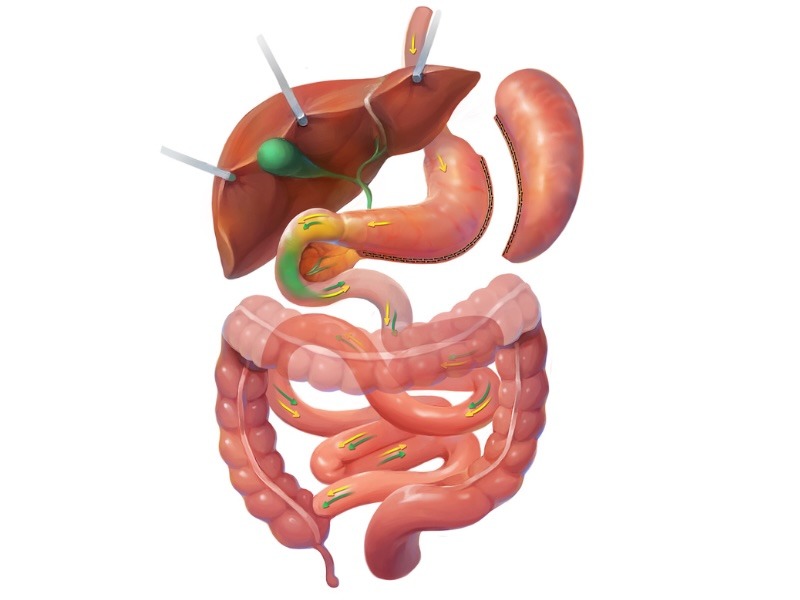
Gastric Sleeve / Sleeve Gastrectomy

The gastric sleeve, also known as the sleeve gastrectomy, is the most straightforward of all the major bariatric procedures. Although the gastric sleeve has been performed for many years, it was initially used as the initial component of a duodenal switch. However, as the procedure showed effectiveness on its own, it has been used as a stand-alone bariatric surgery and has grown in popularity. By removing 70-75% of the existing stomach, and reducing hunger hormonally, the gastric sleeve offers patients exceptional excess body weight loss. Learn more about the gastric sleeve.


>Gastric Sleeve / Sleeve Gastrectomy

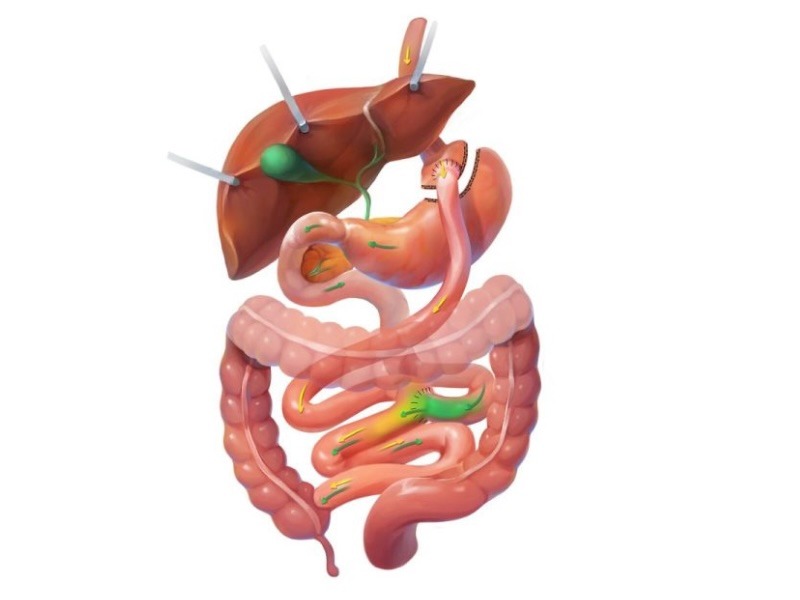
Gastric Bypass (Roux-en-Y)

The gastric bypass offers a combination of restriction and malabsorption, which results in some of the most significant potential weight loss of any procedure we offer. From a weight loss and disease resolution standpoint, the gastric bypass is ideal for patients with poorly controlled type-2 diabetes and chronic acid reflux, also known as GERD. Gastric bypass involves creating a new, smaller stomach and rerouting the small intestine; however, no part of the anatomy is removed from the abdomen. Learn more about the gastric bypass.

>Gastric Bypass (Roux-en-Y)

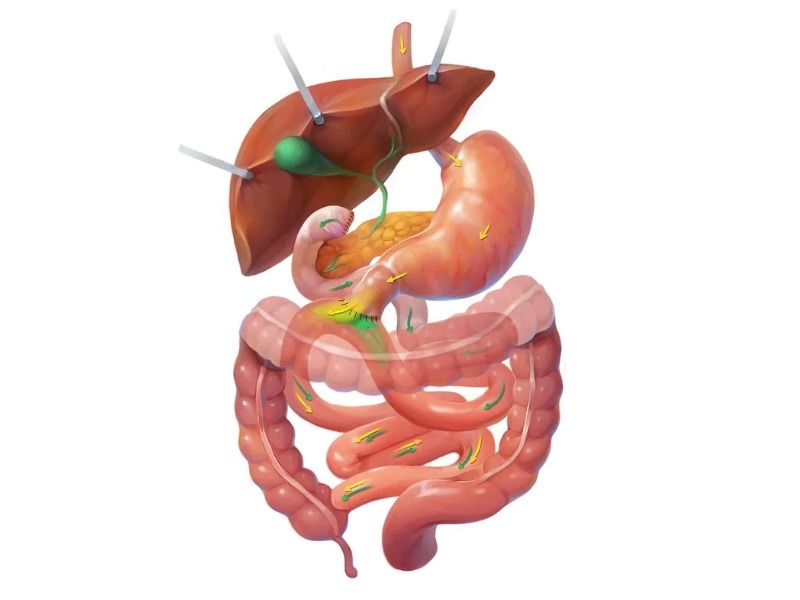
Duodenal Switch

The duodenal switch combines restrictive and malabsorptive bariatric procedures best suited to those with extremely high BMIs. During the switch, a sleeve is created from the existing stomach pouch. Then, about 3/4 of the small intestine is bypassed to reduce caloric absorption. Variations can also be performed, including a Single-anastomosis duodenal-ileal bypass (SADI) procedure.

>Duodenal Switch

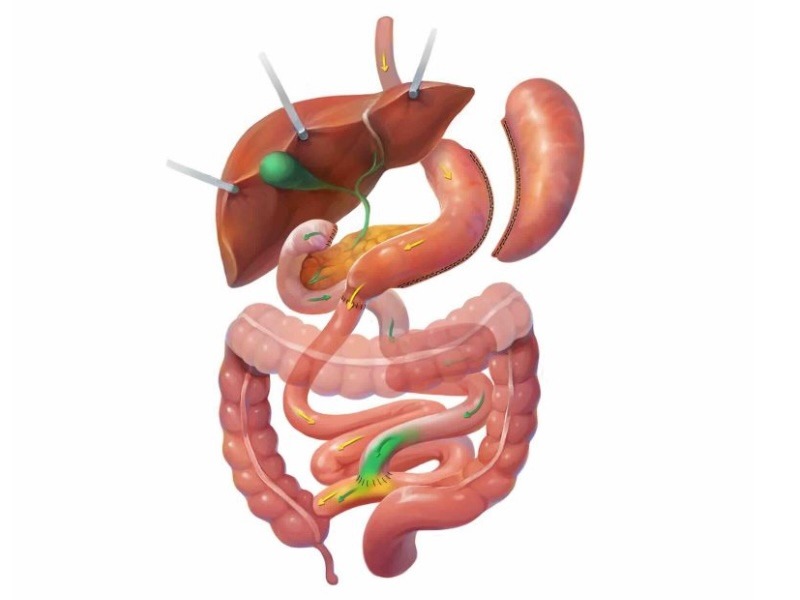
SADI

With just slightly lower disease resolution and weight loss benefits to the duodenal switch, the SADI only requires a single anastomosis or intestinal connection. First, a sleeve-shaped stomach is cut away followed by an intestinal bypass. As with a gastric sleeve, the segmented stomach is removed from the abdomen. Learn more about the SADI – S mini gastric bypass.

>SADI

Gastric Banding

Gastric banding, also known as the Lap-Band, is the least invasive of the surgical procedures we offer because it does not involve cutting the stomach or rerouting the small intestine.  A silicone band is placed around the top of the stomach and, when tightened, forms two interconnected stomach chambers that limit the amount of food a patient can eat. It is adjustable and removable. The gastric band has higher longer-term complication rates and is rarely used today. Learn more about gastric banding.

It is important to remember that bariatric surgery procedures are not a fix to obesity on their own. These procedures can only be successful when patients change their lifestyles by improving their diet and exercise habits. The combination of the procedure and lifestyle changes can result in exceptional excess body weight loss of up to 85%, depending on the procedure performed. That said, the primary goal of any bariatric procedure is to improve or eliminate the diseases associated with obesity, including type II diabetes, high cholesterol, high blood pressure, sleep apnea, and more. Each bariatric procedure we offer can effectively control these conditions and improve our patients’ general health.